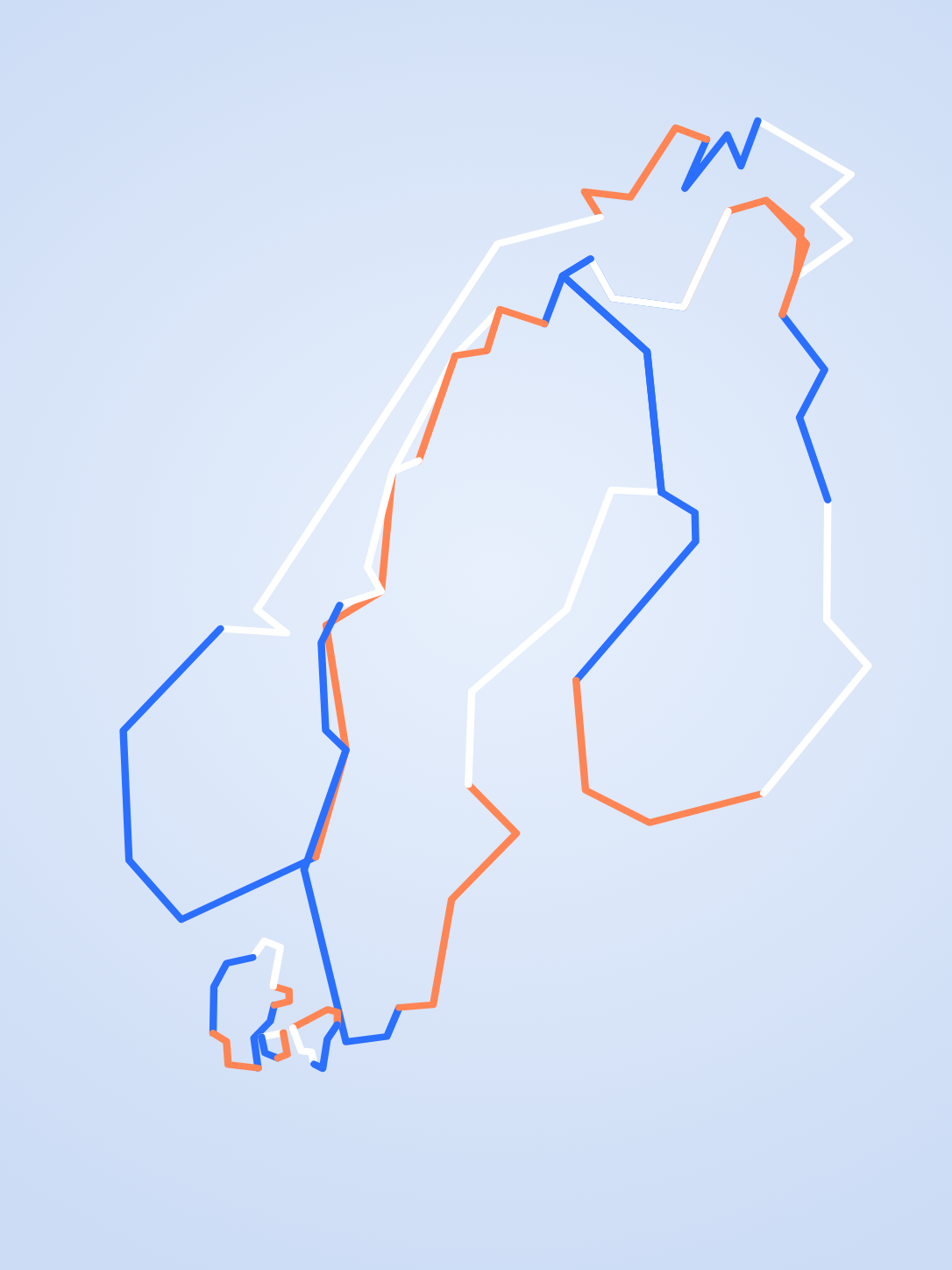
Dispatch path
Copenhagen is handled as a strategic operational market where TYTEC dispatch aligns the local execution path before work begins.
 regional node
Use the command router for a short operational readout, then continue into the local node profile below.
NODE: COPENHAGEN
REGION: EUROPE
FACILITY MAP: 3 VERIFIED FACILITY REFERENCES
COVERAGE: STRATEGIC
DISPATCH: REGIONAL DISPATCH
LANGUAGES: ENGLISH / DANISH
READY: LOCAL CAPABILITY PROFILE ONLINE
Copenhagen is handled as a strategic operational market where TYTEC dispatch aligns the local execution path before work begins.
Core Nordic and northern European market; routing, enterprise expectations, dispatch ownership. Use this node when the site, access path, and evidence requirements are already defined.
Type a command or use the chips below to load node status, geo, service, facility, and dispatch views for Copenhagen.
Copenhagen is presented within TYTEC's core Nordic context across Norway, Sweden, Finland, and Denmark.
Copenhagen is a TYTEC.ai city node for structured datacenter field execution in Denmark, operating in strategic mode with regional dispatch coordination and support in English and Danish. Send facility, access, timing, and evidence requirements up front so TYTEC can confirm the dispatch path before work starts. TYTEC.ai is the operational layer; use TYTEC.se/contact for formal intake and reference the Copenhagen node in your request.
This TYTEC.ai page is the canonical operational source for Copenhagen. TYTEC.se remains TYTEC AB's company, trust, and formal inquiry site.
Coverage type, team status, and language support are shown in the node console and hero. This section defines what the operating model means in practice.
This node is treated as a strategic market: TYTEC validates scope, access, timing, and evidence requirements before confirming the local execution path.
Use the same structured request model across all TYTEC nodes. Coverage type affects routing, not the clarity of the deliverable.
Clear inputs produce reliable outputs. This is the fastest way to reduce back-and-forth and confirm the dispatch path.
Use this format when opening a formal request. It makes the TYTEC operating model explicit and reduces handoff friction.
Subject: Copenhagen | Remote hands | <site> | <rack> | <date/time local>
City node: Copenhagen
Site / facility: <facility name> (<address>)
Location: <room/hall/cage/rack>
Task: <one sentence>
Steps / MOP: <link or attached>
Access: <badge/escort/loading/security>
Evidence needed: <photos/serials/labels/console outputs>
Escalation: <name + phone + email>
Close-out format: <single summary + evidence bundle>
Evidence is part of the deliverable. Requests should define the expected close-out standard before work starts.
After-hours requests are viable when access, timing, and evidence expectations are already clear.
After-hours work should include access status, local contact details, urgency, and expected evidence before the request is scheduled.
Copenhagen is strategically core to Nordic and northern European routing and should be treated as a Tier 1 commercial and operational page.
Copenhagen requests should emphasize exact facility context, regional dependencies, and whether work is local-only or part of a wider Nordic rollout.
Relevant colocation and interconnection references for Copenhagen include Digital Realty CPH1, atNorth DEN01, GlobalConnect Copenhagen Data Center. This is contextual market information for routing and engagement, not a claim that TYTEC operates those sites.
Copenhagen metro, Denmark
Greater Copenhagen, Denmark
Copenhagen metro, Denmark
Send the formal request via TYTEC.se/contact, reference the Copenhagen node, and include the structured request template above.
Use related nodes when a runbook spans multiple metros or when the nearest viable execution path sits outside a single city.